Mixed-era interiors are having a real moment because they feel more human than perfectly coordinated rooms. Instead of chasing a single style, more homeowners are blending pieces from different eras to create spaces that look collected over time. That approach feels especially natural right now because people want homes with character, not just polish.
This trend is good news for antique and vintage shopping. It gives older pieces a fresh role in modern homes and encourages people to mix what they already own with what they find secondhand. The result is a room that feels layered, personal, and easier to live in.
Why the Look Is Growing
One reason mixed-era interiors are rising is that people are moving away from show-home perfection. A room filled with matching furniture can feel finished, but it often lacks personality. By contrast, a room with pieces from different periods feels like it evolved naturally.
There is also a stronger interest in sustainability. Buying older furniture and décor helps reduce waste, and it gives shoppers a way to decorate with items that already have history. That matters to a lot of younger buyers who want style with a smaller environmental footprint.
What Designers Are Blending
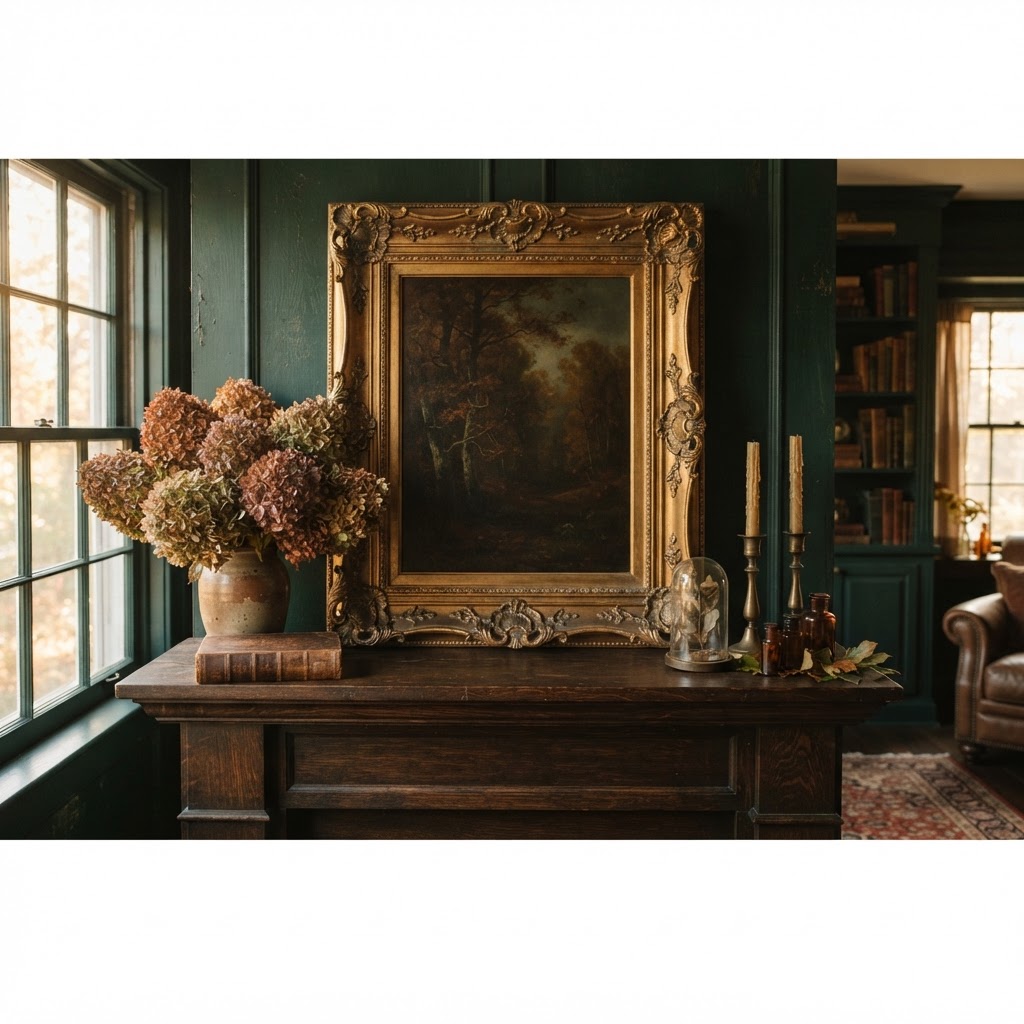
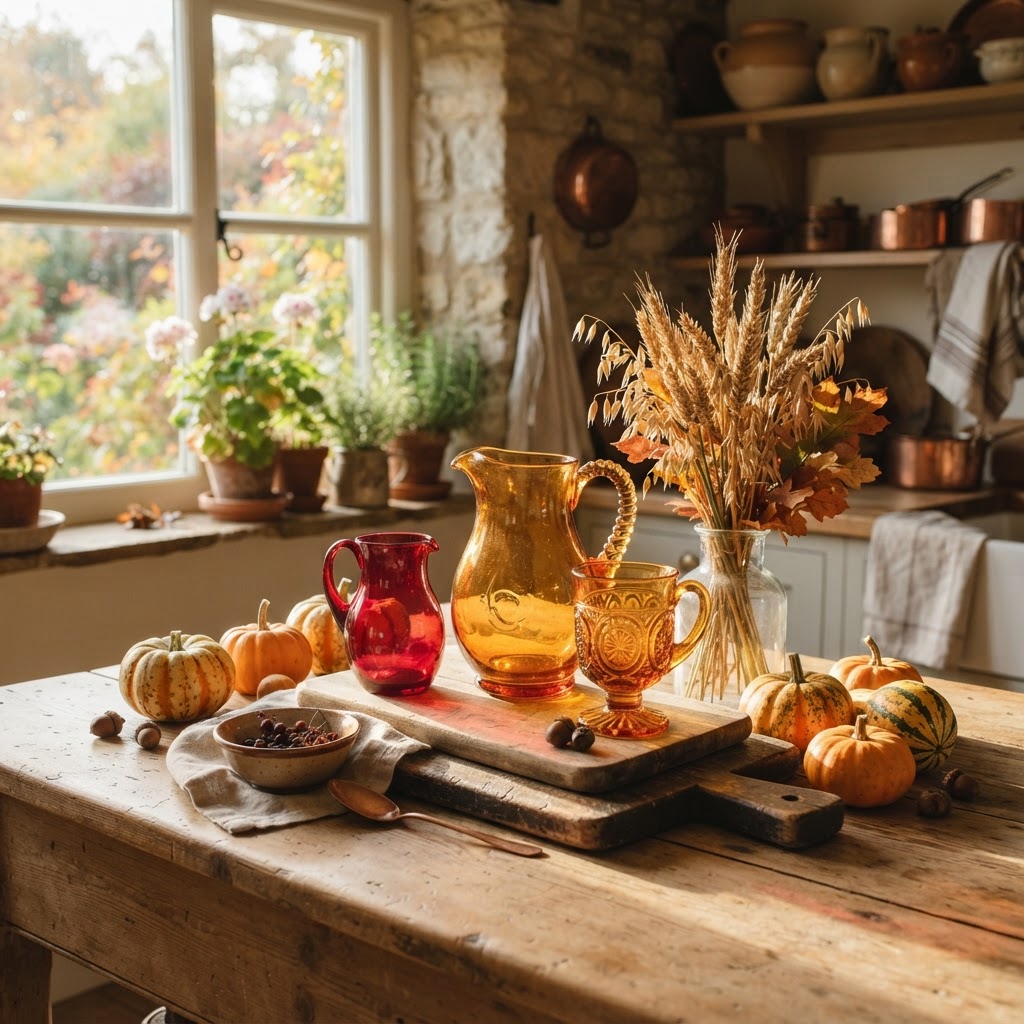
The trend is not about throwing random items together. It usually works best when one or two eras lead and the others support them. A mid-century cabinet might sit comfortably beside a Victorian mirror, or a farmhouse table might anchor a room with industrial lighting and primitive accents.
Texture and color are the glue. Repeated wood tones, similar finishes, and a controlled palette help different styles feel related. Even when the furniture comes from several decades, the room can still feel cohesive.
Why Collecting Beats Matching
Collected interiors feel more personal because they tell a story. Each piece seems to have been chosen for a reason instead of bought as part of a package. That makes the room feel more lived in and more layered.
This is one reason antiques and vintage pieces fit the trend so well. They bring patina, shape, and a sense of age that newer furniture often lacks. A mixed room feels more convincing when some of the pieces already carry a little history.
How the Trend Shows Up at Home
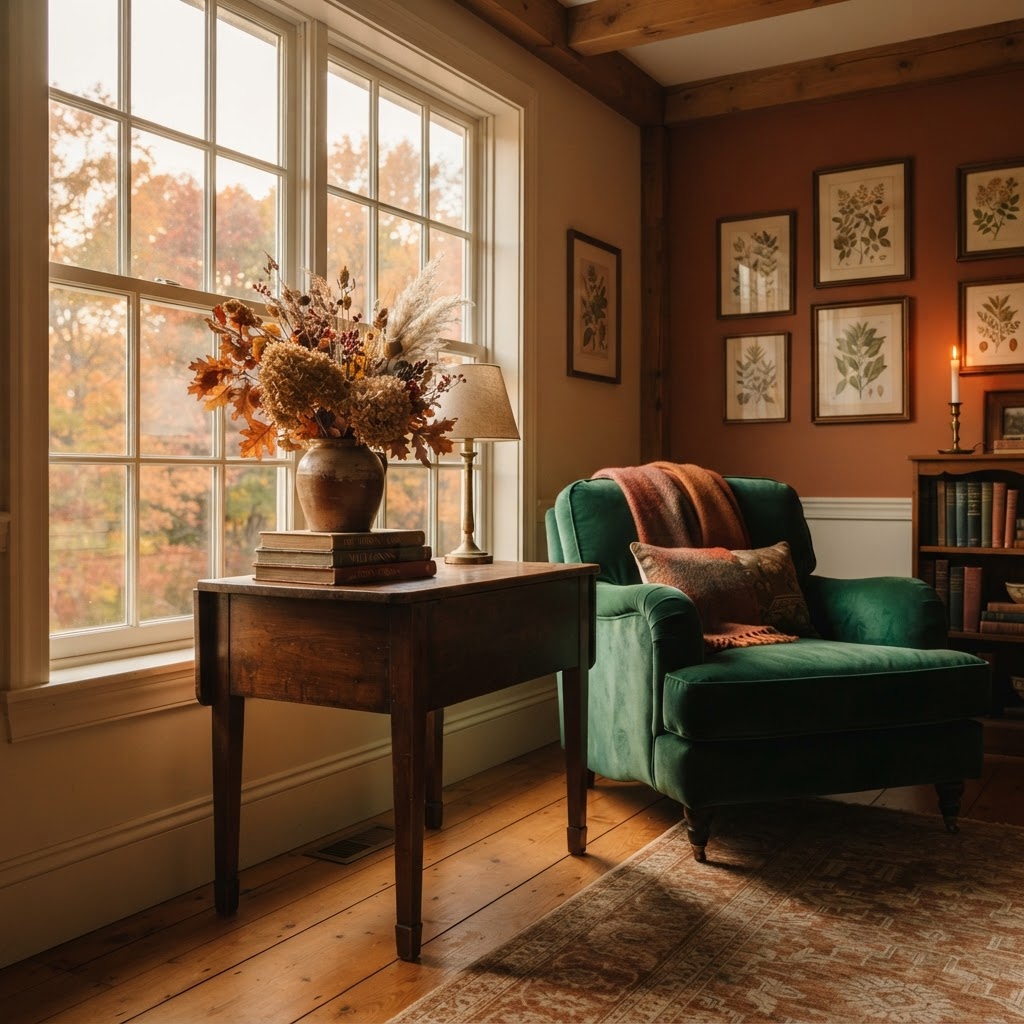
Most people are not redesigning entire houses around this idea. They are starting with one room or even one corner. A simple console table, a vintage lamp, and a framed print can be enough to introduce the look.
The trend also shows up in small decisions. People are mixing old wood with new upholstery, pairing ornate frames with simple art, and using antique storage in modern rooms. Those little choices add up to a home that feels less rigid and more collected.
What to Watch Next
Mixed-era interiors are likely to keep growing because they give people flexibility. You do not need everything to match, and that freedom makes decorating less intimidating. It also opens the door for antique and vintage pieces to keep appearing in fresh ways.
For collectors and shoppers, that means older furniture and decorative objects are not going out of style. They are becoming part of the new standard for homes that want warmth, texture, and individuality.
See the Look in Action
If you want a visual example of how curated vintage pieces can work in a space, browse the showcase area for styling ideas.
Link: Showcase
Mixed-era interiors are not really about following a rule. They are about creating a room that feels assembled with care, and that is exactly why the trend keeps getting stronger.