
Creating Calm: Styling Your Home with Second-Hand Art

Creating Calm: Styling Your Home with Second-Hand Art

Creating Calm: Styling Your Home with Second-Hand Art
There’s something deeply comforting about a wall that feels collected rather than decorated. Not staged, not sterile—but layered, lived-in, and quietly expressive. One of the simplest and most meaningful ways to create that kind of space is by using second-hand art. Whether it’s a thrifted painting, a vintage print, or an old frame with a story you’ll never fully know, second-hand pieces bring an immediate sense of depth to a room. They don’t just fill space—they soften it. When you’re styling a wall meant to relax and soothe, perfection isn’t the goal. In fact, the charm comes from imperfection. Slightly worn frames, muted colors, and unexpected subjects all work together to create visual interest without overwhelming the eye. These pieces tend to carry a quietness that newer, mass-produced art often lacks. Start by choosing a loose color palette—think warm neutrals, faded greens, dusty blues, or soft earth tones. These hues naturally calm the nervous system and create a sense of cohesion, even when the art itself varies in style. From there, mix different sizes and orientations. A small portrait beside a larger landscape, or a sketch paired with an abstract piece, adds rhythm to the wall. Don’t worry about matching everything. Instead, focus on balance. If one piece feels bold, soften it with something more subtle nearby. If a frame is ornate, pair it with something simple. This push and pull creates a visual flow that feels organic and inviting. Placement matters, but it doesn’t need to be rigid. A slightly off-center arrangement can feel more relaxed than a perfectly symmetrical grid. Lay your pieces out on the floor first and play with combinations until it feels right. Trust your eye—you’ll know when it clicks. Lighting also plays a quiet but powerful role. Soft, warm lighting—whether natural or from a nearby lamp—can enhance textures and bring out the character in older pieces. Shadows, patina, and brushstrokes all become part of the experience. What makes second-hand art especially powerful is the sense of story it carries. Even if you don’t know where it came from, it holds a kind of emotional weight that new pieces often haven’t had time to develop. That subtle history contributes to the overall feeling of comfort and groundedness in your space. In the end, a soothing wall isn’t about trends or rules. It’s about creating a moment in your home that invites you to pause. A place where your eyes can wander gently, where nothing demands too much attention, and where everything feels just a little more human.
More in Home Styling

Home StylingUpdated May 8, 2026

Creating Calm: Styling Your Home with Second-Hand Art

Creating Calm: Styling Your Home with Second-Hand Art

Creating Calm: Styling Your Home with Second-Hand Art
Quick Answer

We're talking Home Styling with second-hand ART to create depth and warmth to a wall in your house that relaxes and soothes.

There’s something deeply comforting about a wall that feels collected rather than decorated. Not staged, not sterile—but layered, lived-in, and quietly expressive. One of the simplest and most meaningful ways to create that kind of space is by using second-hand art.

Whether it’s a thrifted painting, a vintage print, or an old frame with a story you’ll never fully know, second-hand pieces bring an immediate sense of depth to a room. They don’t just fill space—they soften it.

When you’re styling a wall meant to relax and soothe, perfection isn’t the goal. In fact, the charm comes from imperfection. Slightly worn frames, muted colors, and unexpected subjects all work together to create visual interest without overwhelming the eye. These pieces tend to carry a quietness that newer, mass-produced art often lacks.

Start by choosing a loose color palette—think warm neutrals, faded greens, dusty blues, or soft earth tones. These hues naturally calm the nervous system and create a sense of cohesion, even when the art itself varies in style. From there, mix different sizes and orientations. A small portrait beside a larger landscape, or a sketch paired with an abstract piece, adds rhythm to the wall.

Don’t worry about matching everything. Instead, focus on balance. If one piece feels bold, soften it with something more subtle nearby. If a frame is ornate, pair it with something simple. This push and pull creates a visual flow that feels organic and inviting.

Placement matters, but it doesn’t need to be rigid. A slightly off-center arrangement can feel more relaxed than a perfectly symmetrical grid. Lay your pieces out on the floor first and play with combinations until it feels right. Trust your eye—you’ll know when it clicks.

Lighting also plays a quiet but powerful role. Soft, warm lighting—whether natural or from a nearby lamp—can enhance textures and bring out the character in older pieces. Shadows, patina, and brushstrokes all become part of the experience.

What makes second-hand art especially powerful is the sense of story it carries. Even if you don’t know where it came from, it holds a kind of emotional weight that new pieces often haven’t had time to develop. That subtle history contributes to the overall feeling of comfort and groundedness in your space.

In the end, a soothing wall isn’t about trends or rules. It’s about creating a moment in your home that invites you to pause. A place where your eyes can wander gently, where nothing demands too much attention, and where everything feels just a little more human.
Continue Reading
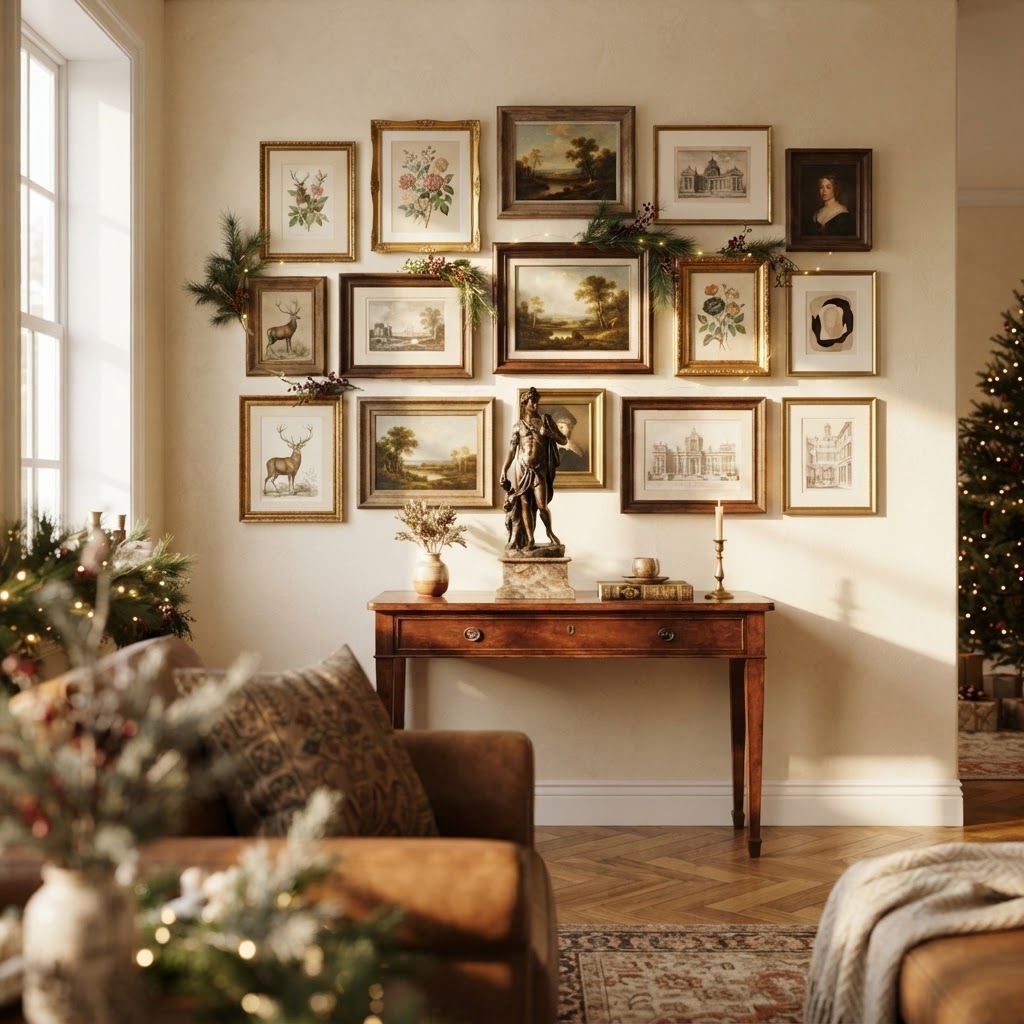
Curating Your Narrative: The Art of the Vintage Gallery Wall
Home Styling

Curating Your Narrative: The Art of the Vintage Gallery Wall

November 25, 2026
Read
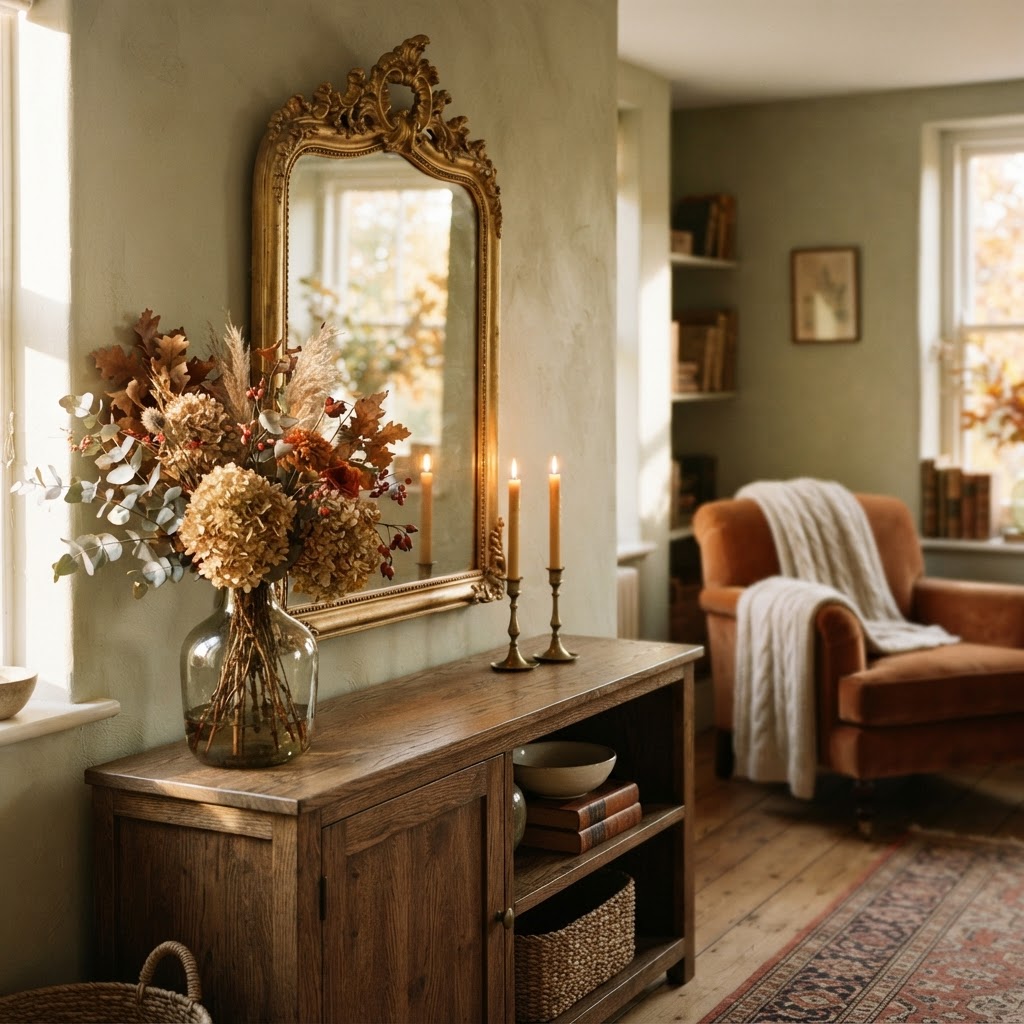
Reflecting the Season: Antique Mirrors and Luminous Artistry
Home Styling

Reflecting the Season: Antique Mirrors and Luminous Artistry

November 4, 2026
Read
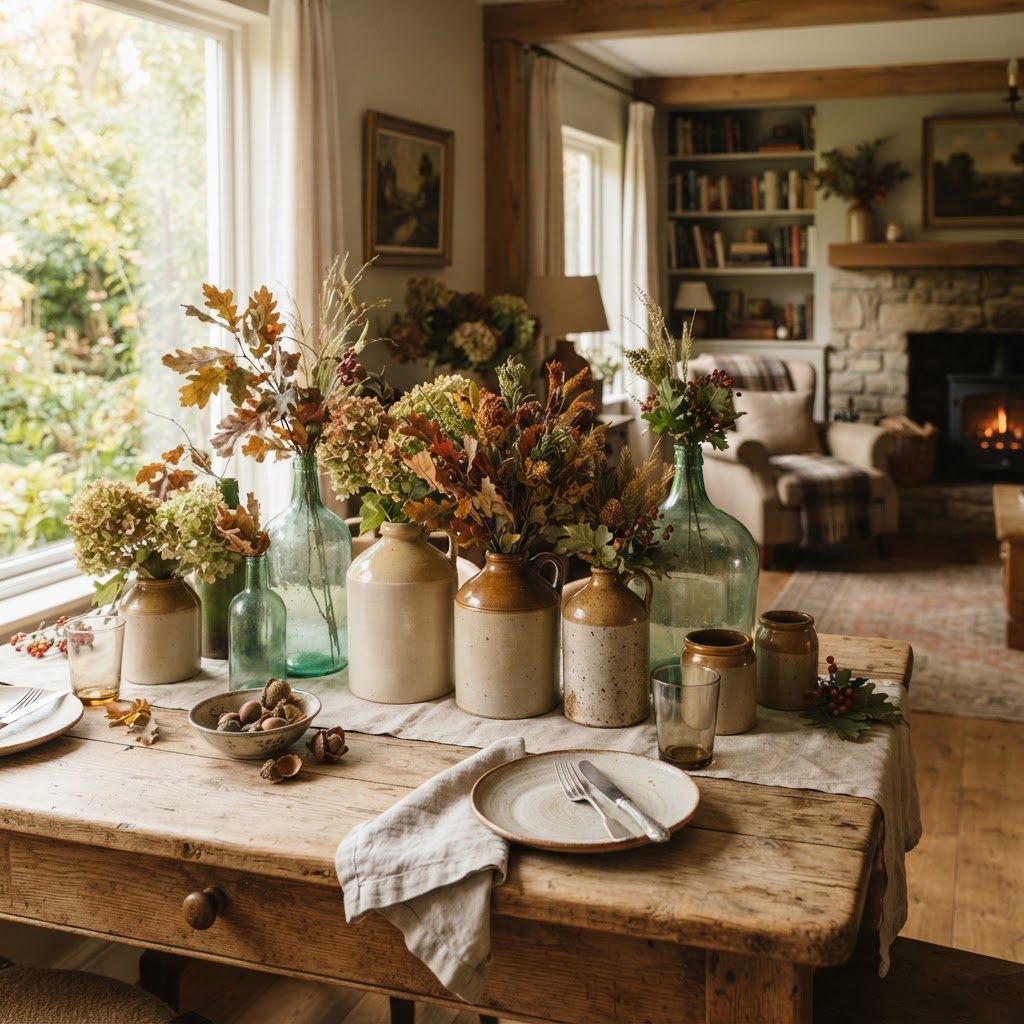
The Seasonal Shift: Curating Your Home for the Harvest Transition
Home Styling

The Seasonal Shift: Curating Your Home for the Harvest Transition

October 3, 2026
Read