
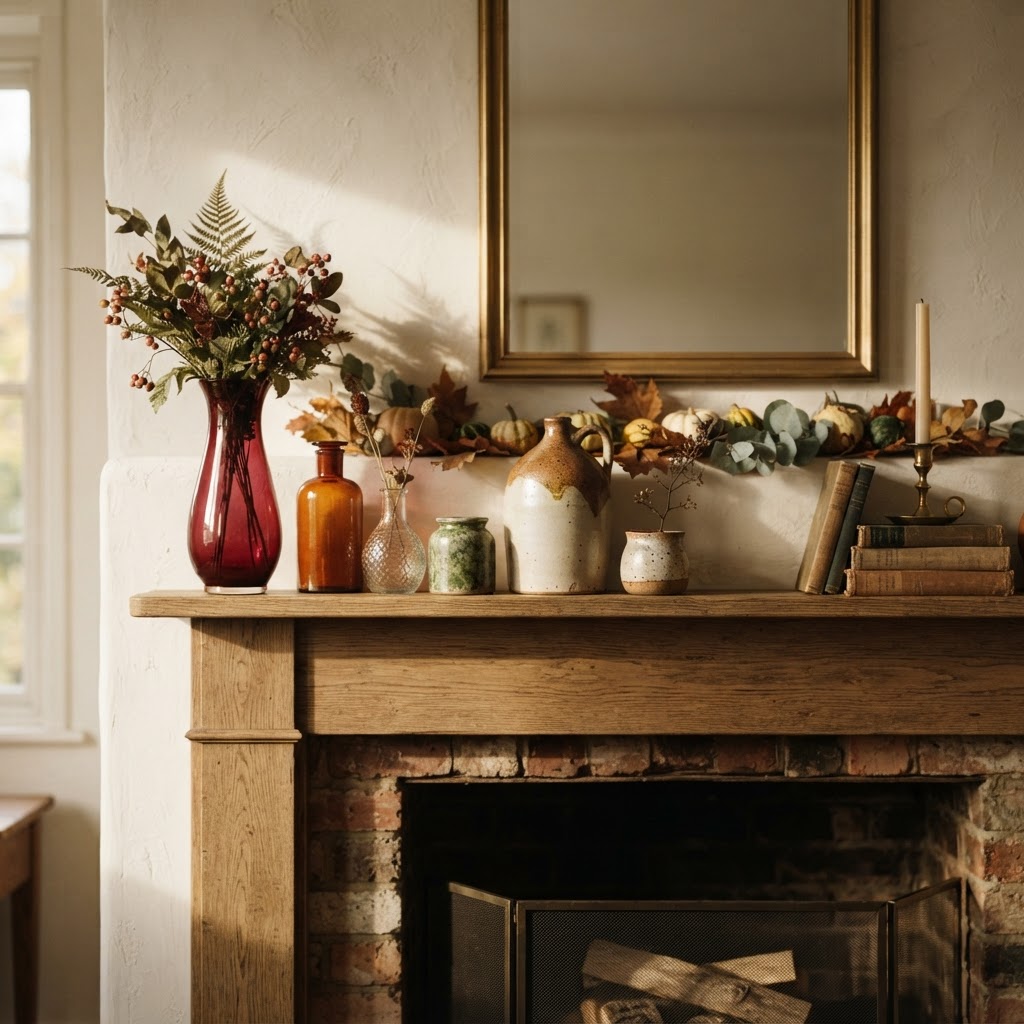
The Art of Elevation: Mastering Height and Levels in Seasonal Decor

Discover how strategic use of vertical space and varying heights transforms a cluttered surface into a sophisticated display. From mid-century glass to rustic ceramics, we explore the design principles of layering for the holiday season.

By The TWN Team

AI-generated illustration: Using height and levels.
## The Foundation of Verticality When styling for the holiday ramp, we often focus on the horizontal spread of our tables and mantels. However, the true secret to a polished aesthetic lies in mastering verticality. By intentionally selecting pieces of varying heights, you create a dynamic flow that keeps the eye engaged. A tall, elegant piece, such as the [21 inch Swung Vase](/product/21-inch-swung-vase), acts as an immediate anchor for any grouping. Because of its elongated form and dramatic silhouette, it draws the gaze upward, effectively breaking up the monotony of flat surfaces. When you place a piece like this against a wall or in the center of a sideboard, you establish a primary vertical line. From there, you can build outwards and downwards, using the negative space between objects to let each individual item shine while maintaining a cohesive, sophisticated narrative for your seasonal arrangement. ![21 inch Swung Vase](<https://base44.app/api/apps/69fb7989827c9e084a9f8a63/files/mp/public/69fb7989827c9e084a9f8a63/fcb51f8f7_01J02Y.jpg>) [Explore 21 inch Swung Vase](/product/21-inch-swung-vase) ## Balancing Proportion and Silhouette Once you have your anchor, the next step in effective design is balancing proportions. If every item on your shelf is the same height, the arrangement will inevitably feel static. To avoid this, pair your taller vases with items that feature distinct shapes, such as the [Vintage Japanese Figural and Floral Black Vase 13"](/product/vintage-japanese-figural-and-floral-black-vase-13). The intricate floral detail and dark, sophisticated surface of this vintage vase contrast beautifully with the vibrant, light-catching red of a taller glass piece. By grouping these together, you are not just placing objects on a shelf; you are creating a landscape of levels. The goal is to ensure that no two items compete for the exact same visual weight. By placing the shorter piece slightly in front or to the side of the taller one, you encourage a layered effect that suggests depth and intentional curation in your[Glass & Vases](/showcase/glass-and-vases) collection. ![Vintage Japanese Figural and Floral Black Vase 13"](<https://base44.app/api/apps/69fb7989827c9e084a9f8a63/files/mp/public/69fb7989827c9e084a9f8a63/dfef1eed3_01J02V_opt.jpg>) [Explore Vintage Japanese Figural and Floral Black Vase 13"](/product/vintage-japanese-figural-and-floral-black-vase-13) ## Playing with Texture and Tone The holiday season calls for a shift in palette, leaning into deeper, warmer tones. As you adjust your levels, consider the tactile quality of the pieces you choose. A piece like the [Ceramic Drip Glazed ball Vase](/product/ceramic-drip-glazed-ball-vase) brings a different dimension to your display—not just in its height, but in its material. The drip-glazing and rich oxblood tones provide a grounded, earthy contrast to the transparency of glass. When you mix ceramic textures with art glass, you are adding weight to your composition that makes the entire vignette feel more substantial. Use these mid-sized ceramic pieces as bridges between your tallest items and your smallest accents. This transition of materials creates a rich, textural experience that captures the moody, cozy atmosphere of late autumn while preparing your space for the upcoming festivities. ![Ceramic Drip Glazed ball Vase](<https://base44.app/api/apps/69fb7989827c9e084a9f8a63/files/mp/public/69fb7989827c9e084a9f8a63/42fa72e04_020077_opt.jpg>) [Explore Ceramic Drip Glazed ball Vase](/product/ceramic-drip-glazed-ball-vase) ## Utilizing Smaller Accents for Cohesion Do not overlook the smallest members of your collection. While a 21-inch vase captures the primary focus, smaller vessels like the [Mini Green Art Glass Vase](/product/mini-green-art-glass-vase) act as the glue that ties a display together. These petite pieces are vital for filling in the lower levels of your layout. They allow you to populate the 'gaps' left by larger items, creating a tiered look that feels complete rather than sparse. By placing a small green vase near the base of a larger item, you create a cascading effect that guides the viewer's eye down toward the surface. This technique prevents the display from feeling top-heavy and adds a sense of whimsy and detail, reminding us that even the smallest elements are essential for a balanced, thoughtfully styled home. ## The Role of Negative Space A common mistake in holiday decorating is filling every square inch of available surface. When you use height and levels effectively, you allow yourself the luxury of negative space. Negative space is not empty room; it is a design element that gives the eye a place to rest. If you use a statement piece like the [Red swung vase 5 fingers](/product/red-swung-vase-5-fingers), its flame-like, hand-pulled silhouette deserves breathing room. Surround it with lower items, but leave enough open space around it so that its shape remains distinct. This creates a sense of elegance and prevents a 'crowded' look. A curated home feels seasonal and intentional, and by allowing your pieces to stand out, you ensure that your holiday decor reflects a sense of calm sophistication that transitions perfectly from the harvest season into the winter months. ![Red swung vase 5 fingers](<https://base44.app/api/apps/69fb7989827c9e084a9f8a63/files/mp/public/69fb7989827c9e084a9f8a63/ac6ce0d17_019684_opt.jpg>) [Explore Red swung vase 5 fingers](/product/red-swung-vase-5-fingers) ## Embracing Seasonal Transitions As we move further into November, your displays should mirror the shifting mood of the season. The transition from bright autumn foliage to the deeper, richer tones of the holidays is a great time to swap out items in your display. You might keep your tall [Green glass demijohn bottle](/product/green-glass-demijohn-bottle) as a steady anchor, but change the greenery or accents surrounding it to match the season. Utilizing height is a year-round strategy, but it is particularly useful when decorating for the holidays because it allows you to introduce seasonal botanicals or festive ornaments at varying levels. By treating your shelves as a gallery of rotating levels, you keep your home feeling fresh and responsive to the time of year. Remember, all items are vintage or pre-owned and availability may change. ![Green glass demijohn bottle](<https://base44.app/api/apps/69fb7989827c9e084a9f8a63/files/mp/public/69fb7989827c9e084a9f8a63/e6f499808_01J01T.jpg>) [Explore Green glass demijohn bottle](/product/green-glass-demijohn-bottle) ## Keep exploring the Showcase [Glass & Vases](/showcase/glass-and-vases) Pieces are one of a kind, and availability can change. Follow each link for current details.

Frequently Asked Questions

Why is height important in tabletop styling?

Varying heights prevent a display from looking flat or stagnant. By guiding the viewer's eye upward and downward, you create rhythm and visual interest.

How do I start layering my mantel for the holidays?

Begin with your tallest item as an anchor, then layer in medium-height objects and small accents, ensuring you leave negative space for balance.

Can I mix different glass styles together?

Yes, mixing heights and textures—like the sleek silhouette of a swung vase with the organic, rounded shape of a ball vase—creates a curated, collected look.

More in Vendor Secrets

Vendor SecretsUpdated November 13, 2026

The Art of Elevation: Mastering Height and Levels in Seasonal Decor

Discover how strategic use of vertical space and varying heights transforms a cluttered surface into a sophisticated display. From mid-century glass to rustic ceramics, we explore the design principles of layering for the holiday season.

AI-generated illustration: Using height and levels.
Quick Answer

As we transition from the vibrant oranges of October into the warm, layered textures of late autumn, mastering verticality is the secret to professional-grade styling. Learn how to curate your shelves and mantels using scale, color, and depth to create visual interest that guides the eye naturally throughout your home.

The Foundation of Verticality

When styling for the holiday ramp, we often focus on the horizontal spread of our tables and mantels. However, the true secret to a polished aesthetic lies in mastering verticality. By intentionally selecting pieces of varying heights, you create a dynamic flow that keeps the eye engaged. A tall, elegant piece, such as the 21 inch Swung Vase, acts as an immediate anchor for any grouping. Because of its elongated form and dramatic silhouette, it draws the gaze upward, effectively breaking up the monotony of flat surfaces. When you place a piece like this against a wall or in the center of a sideboard, you establish a primary vertical line. From there, you can build outwards and downwards, using the negative space between objects to let each individual item shine while maintaining a cohesive, sophisticated narrative for your seasonal arrangement.

21 inch Swung Vase21 inch Swung Vase

Explore 21 inch Swung Vase

Balancing Proportion and Silhouette

Once you have your anchor, the next step in effective design is balancing proportions. If every item on your shelf is the same height, the arrangement will inevitably feel static. To avoid this, pair your taller vases with items that feature distinct shapes, such as the Vintage Japanese Figural and Floral Black Vase 13". The intricate floral detail and dark, sophisticated surface of this vintage vase contrast beautifully with the vibrant, light-catching red of a taller glass piece. By grouping these together, you are not just placing objects on a shelf; you are creating a landscape of levels. The goal is to ensure that no two items compete for the exact same visual weight. By placing the shorter piece slightly in front or to the side of the taller one, you encourage a layered effect that suggests depth and intentional curation in yourGlass & Vases collection.

Vintage Japanese Figural and Floral Black Vase 13"Vintage Japanese Figural and Floral Black Vase 13"

Explore Vintage Japanese Figural and Floral Black Vase 13"

Playing with Texture and Tone

The holiday season calls for a shift in palette, leaning into deeper, warmer tones. As you adjust your levels, consider the tactile quality of the pieces you choose. A piece like the Ceramic Drip Glazed ball Vase brings a different dimension to your display—not just in its height, but in its material. The drip-glazing and rich oxblood tones provide a grounded, earthy contrast to the transparency of glass. When you mix ceramic textures with art glass, you are adding weight to your composition that makes the entire vignette feel more substantial. Use these mid-sized ceramic pieces as bridges between your tallest items and your smallest accents. This transition of materials creates a rich, textural experience that captures the moody, cozy atmosphere of late autumn while preparing your space for the upcoming festivities.

Utilizing Smaller Accents for Cohesion

Do not overlook the smallest members of your collection. While a 21-inch vase captures the primary focus, smaller vessels like the Mini Green Art Glass Vase act as the glue that ties a display together. These petite pieces are vital for filling in the lower levels of your layout. They allow you to populate the 'gaps' left by larger items, creating a tiered look that feels complete rather than sparse. By placing a small green vase near the base of a larger item, you create a cascading effect that guides the viewer's eye down toward the surface. This technique prevents the display from feeling top-heavy and adds a sense of whimsy and detail, reminding us that even the smallest elements are essential for a balanced, thoughtfully styled home.

The Role of Negative Space

A common mistake in holiday decorating is filling every square inch of available surface. When you use height and levels effectively, you allow yourself the luxury of negative space. Negative space is not empty room; it is a design element that gives the eye a place to rest. If you use a statement piece like the Red swung vase 5 fingers, its flame-like, hand-pulled silhouette deserves breathing room. Surround it with lower items, but leave enough open space around it so that its shape remains distinct. This creates a sense of elegance and prevents a 'crowded' look. A curated home feels seasonal and intentional, and by allowing your pieces to stand out, you ensure that your holiday decor reflects a sense of calm sophistication that transitions perfectly from the harvest season into the winter months.

Red swung vase 5 fingersRed swung vase 5 fingers

Explore Red swung vase 5 fingers

Embracing Seasonal Transitions

As we move further into November, your displays should mirror the shifting mood of the season. The transition from bright autumn foliage to the deeper, richer tones of the holidays is a great time to swap out items in your display. You might keep your tall Green glass demijohn bottle as a steady anchor, but change the greenery or accents surrounding it to match the season. Utilizing height is a year-round strategy, but it is particularly useful when decorating for the holidays because it allows you to introduce seasonal botanicals or festive ornaments at varying levels. By treating your shelves as a gallery of rotating levels, you keep your home feeling fresh and responsive to the time of year. Remember, all items are vintage or pre-owned and availability may change.

Green glass demijohn bottleGreen glass demijohn bottle

Explore Green glass demijohn bottle

Keep exploring the Showcase

Glass & Vases

Pieces are one of a kind, and availability can change. Follow each link for current details.
Frequently Asked Questions
Why is height important in tabletop styling?
Varying heights prevent a display from looking flat or stagnant. By guiding the viewer's eye upward and downward, you create rhythm and visual interest.
How do I start layering my mantel for the holidays?
Begin with your tallest item as an anchor, then layer in medium-height objects and small accents, ensuring you leave negative space for balance.
Can I mix different glass styles together?
Yes, mixing heights and textures—like the sleek silhouette of a swung vase with the organic, rounded shape of a ball vase—creates a curated, collected look.
#Home Styling#Interior Design#Seasonal Decor#Vintage Glass#Holiday Decor
Continue Reading
The Art of the Gathering: Mastering the Bundle
Vendor Secrets

The Art of the Gathering: Mastering the Bundle

October 3, 2026
Read
Vendor Secrets

Booth Layout Psychology: How to Guide Shoppers Through Your Space

May 27, 2026
Read